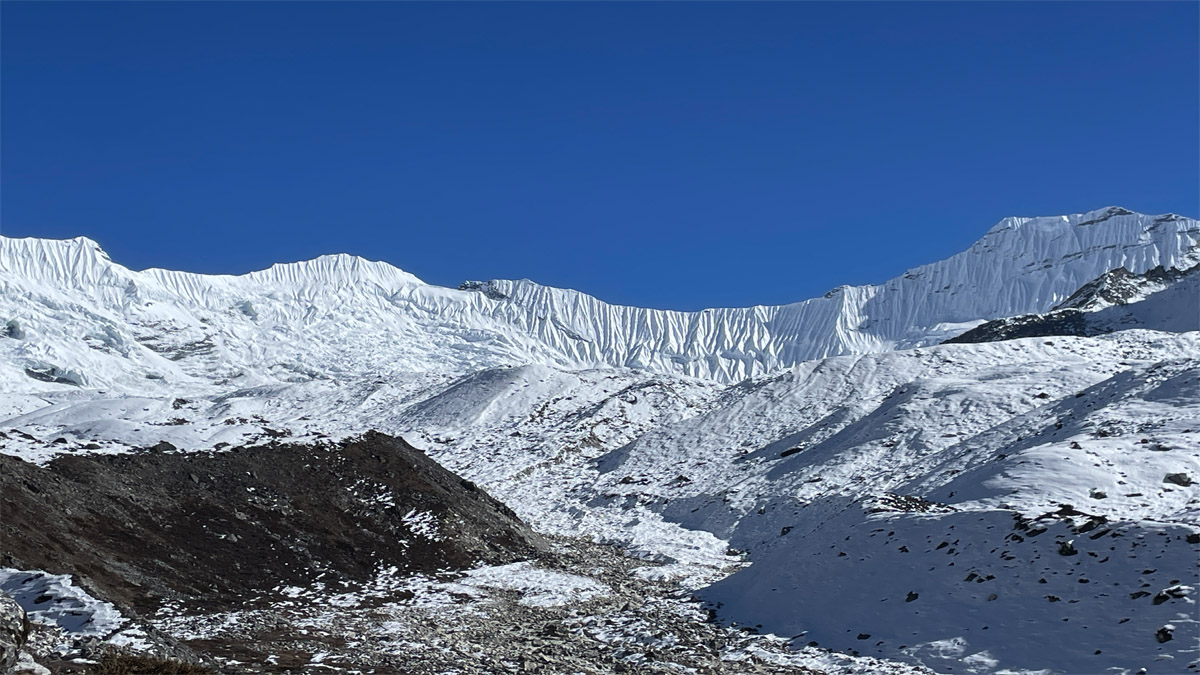
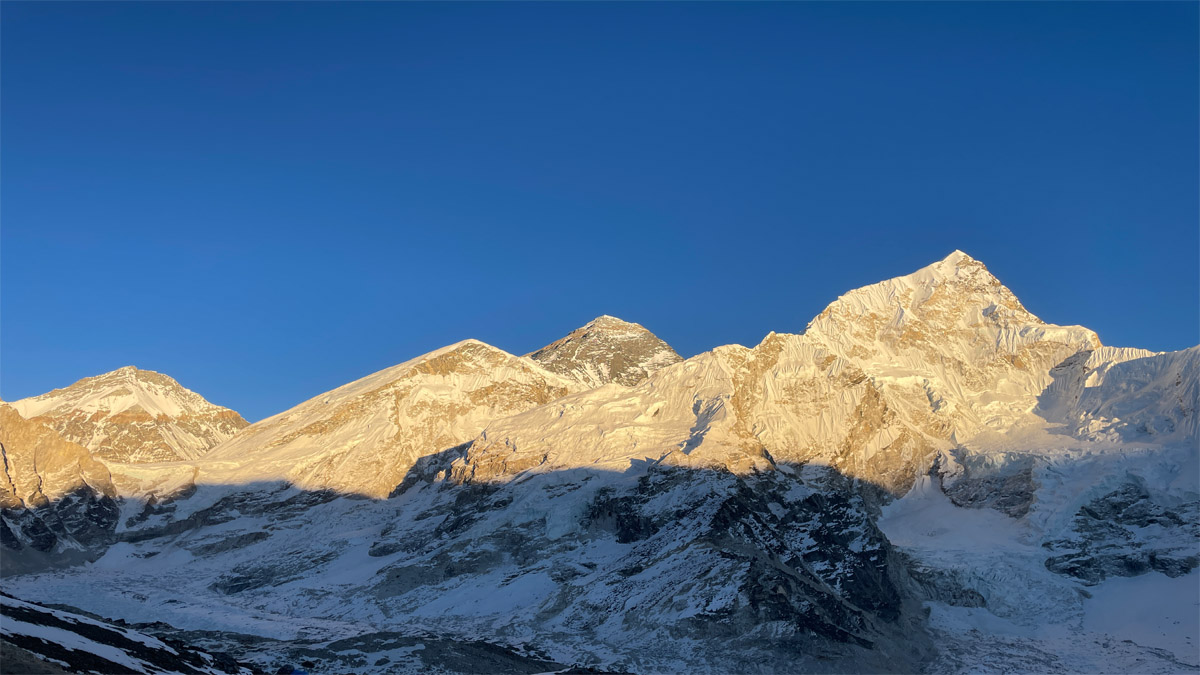
Mount Everest Base Camp Trek 15 Days
Kathmandu,Nepal
Duration
15 Days 14 Nights TripTour Code
TP4412Description
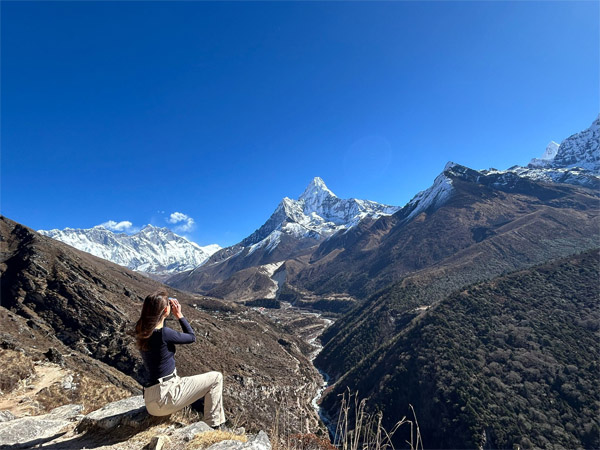
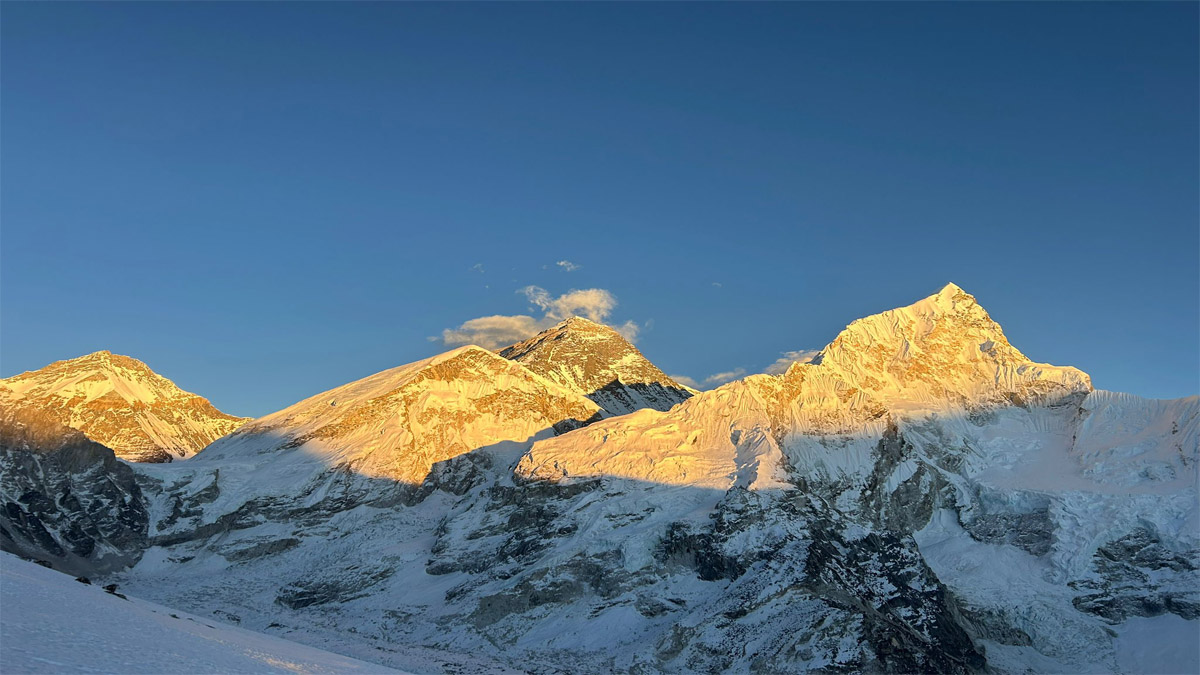
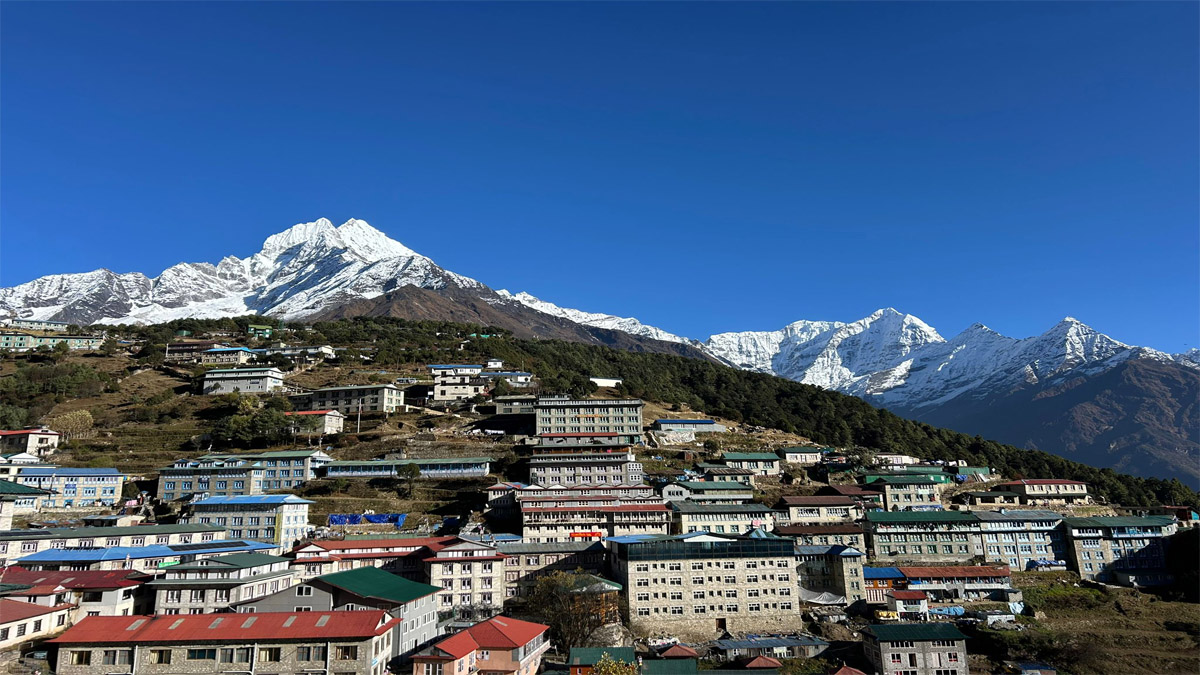
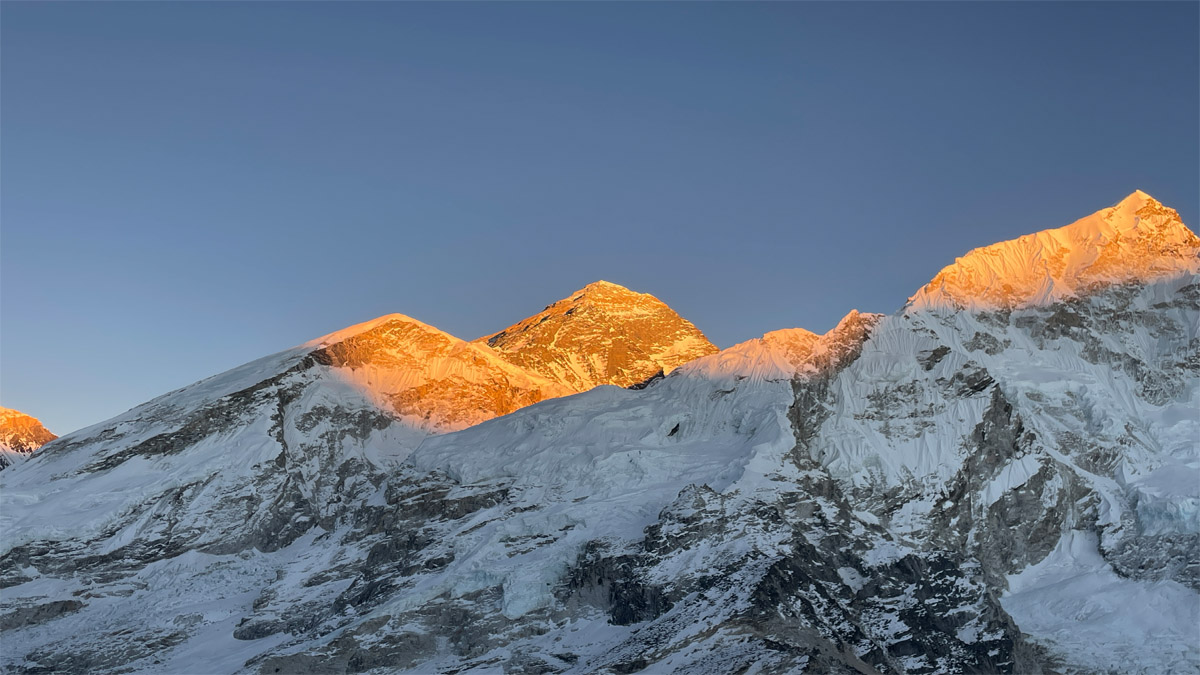
The Everest Base Camp Trek is one of the most iconic trekking adventures in the world, offering a unique opportunity to walk in the footsteps of legendary mountaineers while exploring the heart of the Khumbu region of Nepal. This classic Himalayan journey takes you through dramatic landscapes, traditional Sherpa villages, ancient monasteries, and breathtaking mountain viewpoints, leading to the base of Mount Everest (8,848.86 m), the highest peak on Earth. The trek usually begins with a scenic flight from Kathmandu to Lukla, one of the most thrilling mountain airstrips in the world. From Lukla, the trail follows the Dudh Koshi River, passing through charming settlements such as Phakding, Monjo, and Namche Bazaar. Namche Bazaar, the main trading hub of the region, is an important acclimatization stop where trekkers can enjoy panoramic views of Everest, Lhotse, and Ama Dablam while exploring local markets, cafes, and museums. As the journey continues, the trail ascends through dense pine and rhododendron forests to Tengboche, home to the famous Tengboche Monastery, the spiritual center of the Khumbu. Surrounded by towering peaks, this monastery offers a peaceful atmosphere and stunning mountain scenery. From here, the route passes through alpine landscapes and remote villages such as Dingboche, Lobuche, and Gorakshep, where vegetation becomes sparse and the terrain turns rugged and dramatic. Proper acclimatization is a key part of the Everest Base Camp Trek. Rest days in Namche Bazaar and Dingboche allow trekkers to adjust to higher altitudes and reduce the risk of altitude sickness. During these days, short hikes to viewpoints like Everest View Hotel, Nagarjun Hill, or Nangkartshang Peak provide excellent opportunities to enjoy Himalayan panoramas while supporting safe trekking. The highlight of the trek is reaching Everest Base Camp at an altitude of 5,364 meters. Standing at the foot of the Khumbu Icefall, surrounded by massive glaciers and snow-covered peaks, is a truly unforgettable experience. During the spring climbing season, colorful expedition tents create a lively atmosphere as climbers prepare for their summit attempts. Although Mount Everest itself is not fully visible from base camp, the sense of achievement and adventure makes this moment special for every trekker. Another major attraction is the hike to Kala Patthar (5,545 m), the highest point of the trek. From this viewpoint, trekkers can enjoy the best close-up views of Mount Everest, along with Nuptse, Pumori, and the surrounding Himalayan giants. Sunrise and sunset from Kala Patthar are especially memorable, with golden light illuminating the peaks. The Everest Base Camp Trek is not only about mountains but also about cultural experiences. The Khumbu region is home to the Sherpa community, known for their hospitality, resilience, and deep connection to Buddhism. Along the trail, trekkers can visit monasteries, prayer wheels, mani walls, and traditional homes, gaining insight into local traditions and mountain life. In terms of difficulty, the trek is considered moderate to challenging. No technical climbing skills are required, but good physical fitness, mental determination, and proper preparation are essential. Daily walking hours usually range from 5 to 7 hours, and the high altitude can make the journey more demanding. Spring (March to May) and autumn (September to November) are the best seasons, offering stable weather and clear mountain views. Accommodation along the route is mainly in teahouses, which provide basic but comfortable lodging and meals. Trekkers can enjoy local and international dishes such as dal bhat, noodles, soups, and pancakes while relaxing in warm dining areas. With experienced guides and porters, the journey becomes safer, more enjoyable, and culturally enriching. Overall, the Everest Base Camp Trek is a once-in-a-lifetime adventure that combines natural beauty, cultural heritage, and personal achievement. Whether you are a passionate trekker, nature lover, or adventure seeker, this journey to the foot of the world’s highest mountain offers memories and inspiration that last forever.
Highlights
- Journey to the World’s Highest Mountain – Trek to the base of Mount Everest (8,848.86 m) and experience the legendary Khumbu region.
Included
- • Round-trip airport transfer • Hotel in Kathmandu: 3 nights, twin sharing basis in BB plan • Kathmandu World Heritage sightseeing tour guide and transport • All necessary trekking permits and documentation. • Domestic flight ticket from Kathmandu to Lukla and return to Kathmandu • Trekking Guide: English-speaking, helpful and professional • Trekking Porter for carrying your trekking luggage • Meals: (14 breakfasts, 11 lunches, 11 dinners) • 11 Night twin sharing lodge to lodge accommodations during trekking(Private Room with Bathroom for Phakding,Namche,Dingboche,Pheriche,) Private room with sharing bathroom for Tengboche, Lobuche and Gorekshep(3 Nights) • Achievement certificate provided by your travel company in Kathmandu • Arrangement of Emergency Helicopter service which will be paid by the Travel insurance company. • Medical supplies (first aid kit will be available) • All government taxes and service charges. • farewell dinner with Nepal family with Nepali style
Not Included
- • International flights and Travel insurance • Nepal entry visa fee, • Lunch and dinner in Kathmandu, • All bar bills and personal expenses (phone calls, laundry service, battery recharge, bottles of water, hot water, etc.) • Tips for the guide and porter
Itinerary
- Arrival in Kathmandu (1,350m/4,429ft) Reception at the Kathmandu by the representative of Nepal Trekking Routes on the arrival day.
- Then, transfer to the hotel booked for your lodgings.
- After becoming fresh, you can visit the nearby areas from the hotel.
- Kathmandu Valley Sightseeing and Trek Preparation After breakfast, the tour guide takes you around the UNESCO World Heritage Sites of the Kathmandu Valley.
- Patan Durbar Square, Swayambhunath Stupa (the Monkey Temple), Pashupatinath Temple and Bouddhanath Stupa will be visited.
- In the evening, the trekking guide gives you briefing about Everest Base Camp trek itinerary.
- Fly to Lukla (2,860m/9,383ft) and Trek to Phakding (2,610m/8,563ft), 3hrs.
- After breakfast, the private jeep transfers you to Kathmandu Airport.
- In a morning flight, you fly from Kathmandu to Lukla, Tenzing Hillary Airport.
- During the 30-minute flight, you have an aerial view of the snowcapped peaks and wonderful landscapes.
- The mountains from the Manaslu region to the Kanchenjunga region come into your sight in this journey.
- After landing at Lukla, the gateway to EBC trek, you move forwards through pine, cedar, and rhododendron forests.
- You have to cross Cheplung Village from where you can enjoy Mt.
- Khumbila (5,761m).
- Along the Dudh Koshi River Valley, you measure the trekking trails up to Phakding.
- Trek to Namche Bazaar (3,440m/10,958ft), 6hrs.
- Today, you move further by following the trail that goes northwards up to the Benkar Valley.
- When you cross the Dudh Koshi River, the trail moves past Chumoa and Monjo Village.
- You get your Sagarmatha National Park Entry Permit at Monjo as it is the entrance to the highest placed national park in the world.
- Then, you go across the Hillary Suspension Bridge and Jorsalle Village walking along the Dudh Koshi and the Bhote Koshi River.
- Afterward, walking through the steep trail going through Sagarmatha National Park, you reach Namche Bazaar.
- Namche Bazaar is the largest trading center of the whole Khumbu region, so it is known as the Sherpa Capital as well.
- The town offers you all the modern amenities like banks, ATMs, hotels, bakeries, restaurants etc.
- Acclimatization Day in Namche To be introduced with the climate of the high Himalayan altitude, you have a few things to do here at Namche Bazaar.
- You can visit the Sherpa Museum to know all about the Sherpa lifestyle, customs and costumes.
- Similarly, the Hall of Fame shows you the photos of Hillary and Tenzing from the 1953 Everest Expedition.
- Next, you can also hike to Everest View Hotel, which are the world’s highest altitude hotels.
- From the hotel, you can see Mt.
- Everest and other peaks exposed in the fullest.
- Alternatively, you can visit Sagarmatha National Park to have the stunning view of Mt.
- Everest, Mt.
- Lhotse, Nuptse, Ama Dablam, Thamserku, Kongde and many more.
- Moreover, you can also go to Khumjung Village to observe the Hillary School and the Yeti Scalp.
- Trek to Tengboche (3,860m/12,664ft), 6hrs.
- Measuring the rugged trail, you move towards Tengboche enjoying the gurgling water of the Dudh Koshi River and astounding mountain scenery.
- Walking through the winding track for about 5 hours taking enough rest, you reach the destination.
- Tengboche Village houses the largest monastery of the Solukhumbu region.
- You can visit this monastery, and talk to the monks living there to get insight about Buddhist culture and tradition.
- When you plan Everest Base Camp trek in November, you can observe Mani Rimdu Festival, the greatest festival of the Sherpa people at this monastery premises.
- Trek to Dingboche (4,410m/14,469ft), 5hrs.
- The trail from Tengboche to Dingboche moves across yet another suspension bridge over the Imja Khola.
- By crossing the trail surrounded and beautified by numerous mani stones, you reach Pangboche.
- Here, you can visit Pangboche Monastery, which is the oldest in the Khumbu region of its type.
- Moving ahead along the steep trail, you reach Dingboche, a traditional Sherpa Village of Everest region.
- Apart from Sherpa culture and tradition, you can relish the awe-inspiring outlook of Mt.
- Lhotse, Island Peak and Mt.
- Ama Dablam.
- Acclimatization Day at Dingboche This is another acclimatization day during trekking to Everest Base Camp.
- In the morning, you can hike to Nagarjun Hill (Nangkartshang Peak: 5,073m) if the weather is favourable.
- Although the trail to the peak is quite challenging, the view is really rewarding.
- You can have the top- to- bottom- glimpse of Mt.
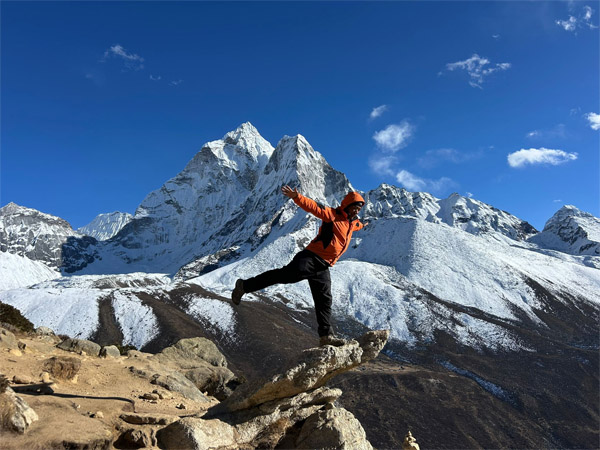
- Ama Dablam (6,812m) from the top.
- In the daytime, you can stroll around the village, which is famous for a long stonewalls made in the course of collecting them during cultivating the field.
- You can talk to the friendly Sherpa people of this Himalayan town to know more about interesting anecdotes of their history.
- Trek to Lobuche (4,910m/16,109ft), 6hrs.
- In the beginning, the trail goes across the moraine of the Khumbu Glacier, the world’s largest and highest glacier.
- Then, it takes you along the stone memorials of the mountaineers who lost their lives in the course of Everest region travel.
- Finally, you reach Lobuche Village situated at the foot of Lobuche Peak, which is a trekking peak of Nepal.
- To avoid altitude sickness, you need to make the travel with the slow pace.
- Next, you should take enough rest, drinking water and hygienic food.
- Hike to Everest Base Camp (5,364m/17,598ft) and Trek to Gorak Shep (5,140m/16,864ft), 8hrs.
- This is the greatest day of the entire Everest Base Camp trek as you are reaching the most awaited place in your whole life.
- Comparing to the previous days, today is quite hard trekking as you have to go across the Khumbu Glacier.
- But the rewarding view of the snowcapped peaks all around, you can measure the trail up to Gorakshep.
- In fact, until the 1953 Everest Expedition, it used to be the original base camp.
- It is the last human settlement area of the Khumbu region closest to the base camp of Mt.
- Everest.
- By leaving the backpack at the hotel in Gorakshep, you move towards the base camp.
- The trail goes past the Gorakshep Lake, once one of the largest glacial lakes in the region.
- Trekking for about a couple of hours, you reach the height of 5,364m, which is the closest place to from the Everest Summit.
- In the peak seasons, you come to meet many Everest expedition teams preparing for climbing Mt.
- Everest.
- From the base camp, you have the spectacular vistas of Mt.
- Lhotse, Mt.
- Cho Oyu, Mt.
- Nuptse, Mt.
- Pumori, Mt.
- Ama Dablam and many more except Mt.
- Everest.
- The appearance of the Khumbu Glacier and the Khumbu Icefall are spellbinding from this height.
- After enjoying the lively peaks gazing at one another, you climb down to Gorakshep for the night rest.
- Hike to Kala Patthar (5,550m/18,209ft) and Trek to Periche (4,240m/13,911ft), 8hrs.
- Although it is the hardest day, it is equally rewarding as well.
- Early in the morning, you need to set off towards Kala Patthar, the best vantage point of Everest region.
- You need to reach this destination before the sun rises to have the Great Himalayas in golden colour.
- All the mountains of the Khumbu Himalayan Range are found looming from left to right.
- Watching the Everest Summit glittering in the early sunrays is beyond description perhaps! You can shoot as many photos or videos as you can by keeping the Great Himalayas on the background.
- The photos and videos will remain as the lifelong testimonials that you have at least once been to the highest place close to Mt.
- Everest! Then, you descend down to Gorakshep and have your breakfast.
- Finally, you descend to Periche for the night station.
- Trek down to Namche Bazaar (3,440m/11,286ft), 7hrs.
- After breakfast, you begin the retreat journey towards Namche Bazaar by crossing Tengboche and many other Sherpa villages far behind.
- Enjoying the splendid view of the Himalayas and pine, fir and rhododendron forests of Sagarmatha National Park, you arrive the Sherpa Capital.
- Here, you can celebrate the successful completion of Everest Base Camp trek.
- Trek down to Lukla, 7 hrs.
- By following the trail and enjoying the vistas you did a few days earlier, you move downhill to Lukla.
- You spend the night at this small Sherpa town from where the trek began.
- This is the last day of trekking package this season, so enjoy the panoramic view as much as you can.
- Flight from Lukla to Kathmandu, 25minutes After having breakfast, you fly back to Kathmandu from Lukla by enjoying the aerial view of Everest region once more this season.
- When the plane lands at the Kathmandu Airport, you will be relocated at the hotel.
- In the daytime, you can again visit the remaining time around the Kathmandu Valley.
- In the evening, the agency organizes a farewell dinner as a part of hospitality.
- You will really enjoy eating at a cultural restaurant around the tourist hub, Thamel.
- Fly Back to Home Country or Extend Your Tour Time to go home and tell your friends and family of the fun and adventure had on your trek in Nepal.
- Or, you could extend your trip.
- We can arrange many other tours and trips for you, such as: Chitwan Jungle Safari, River Rafting Adventure, Scenic Flight, Cycling or even another trek in a different region.
- Nepal Trekking Routes would be both pleased and honored to be at your service.
Organized By